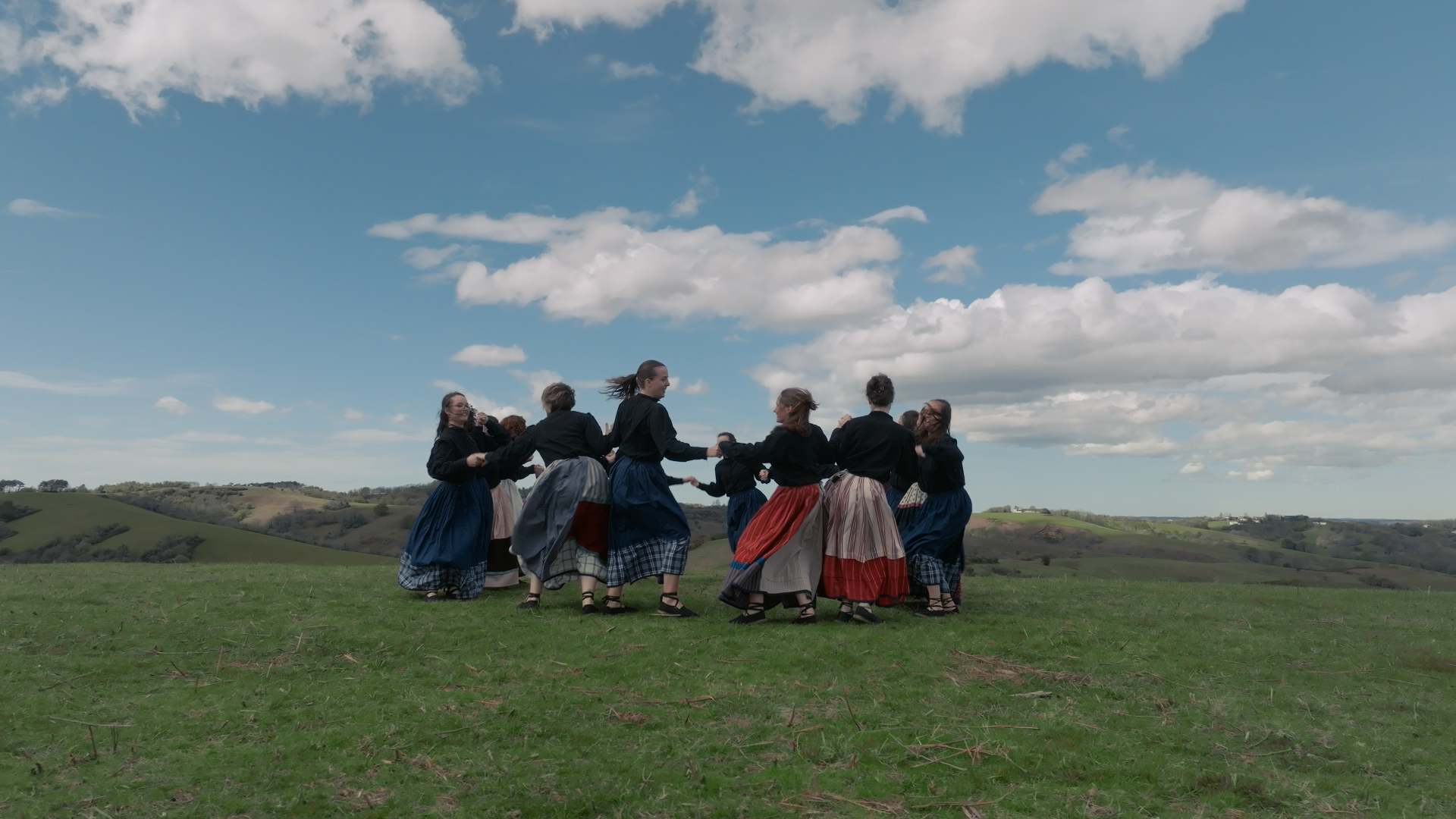

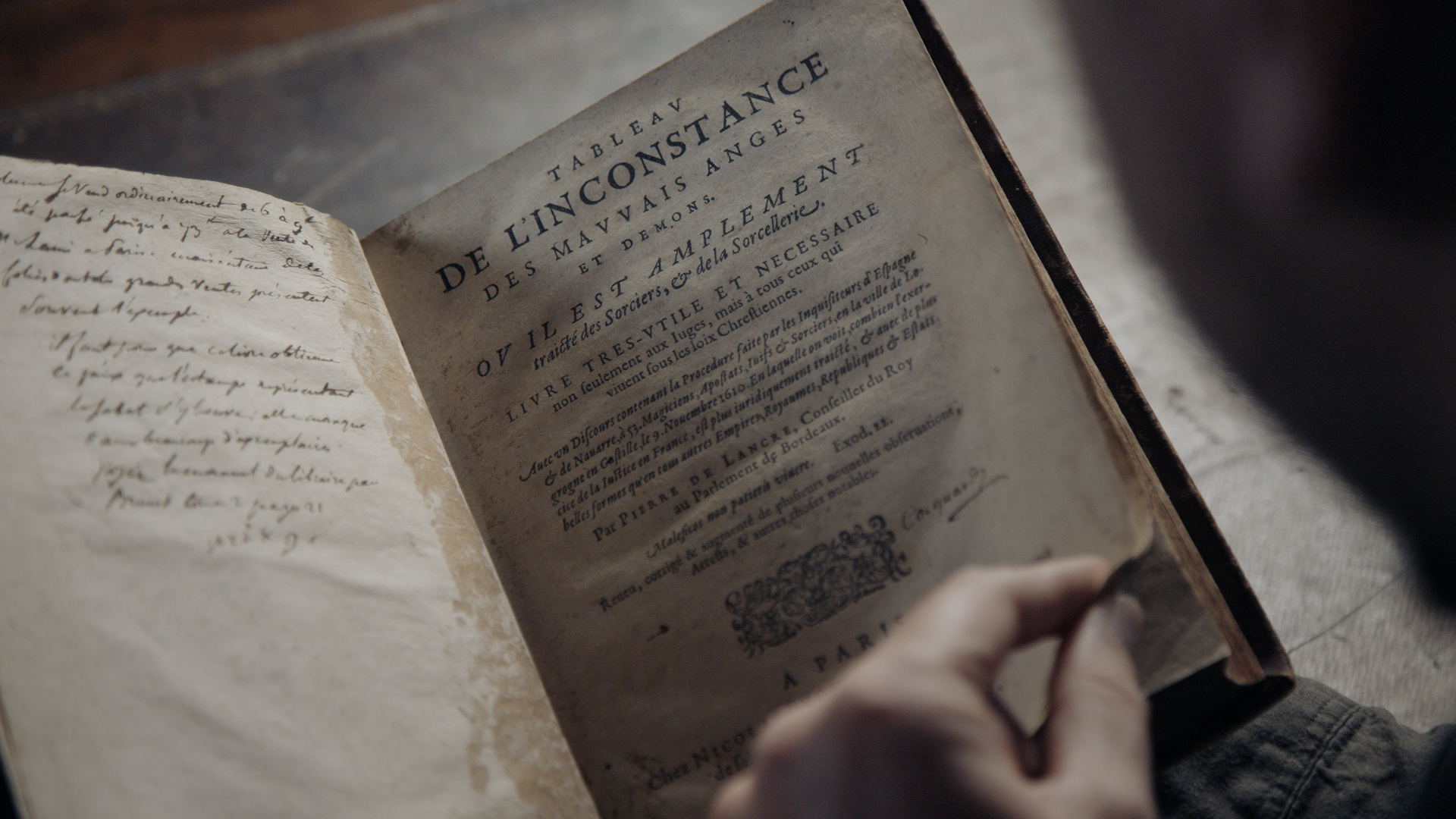
In 1609, in the Basque Country, a local conflict turned into accusations of witchcraft. Henry IV, King of France, decided to restore order to the borders of the Kingdom. He sent a commission to judge the witches and warlocks. The trial lasted four months. Pierre de Lancre, a magistrate at the Parliament of Bordeaux, arrested, tried, and sentenced 80 people to be burned at the stake. It was the deadliest witch hunt in French history. Today, historians are investigating to understand what really happened. They are delving into the archives of the time, searching for unpublished documents. They trace the origins of the figure of the witch. These women were accused of gathering at night to worship the devil and copulate with demons during a satanic festival, the Sabbath. From the 15th to the 17th century, throughout Europe, between 40,000 and 60,000 people were condemned for witchcraft. It was a cycle of unprecedented violence, with 80% of the victims being women. How can we explain such a massacre today? This field investigation into the traces of witches in the Basque Country reveals the hidden workings of this terrible episode in European history.